
Leash Pressure, Communication, and Calm Leadership: How to Create Peaceful Walks With Your Dog

RELATIONSHIP-BASED TRAINING • LEASH COMMUNICATION
A calm walk isn’t created by force — it’s created through communication, clarity, and trust.

Why Leash Pressure & Communication Matter
If your walks feel chaotic, tense, or frustrating, you’re not alone. Most dogs pull not because they're stubborn — but because they’ve never been shown how to listen through the leash. Leash pressure is one of the most honest, subtle forms of communication you can use.
“Pressure gives direction. Release gives clarity.”
Core Principles of Calm Leash Leadership
Pressure & Release
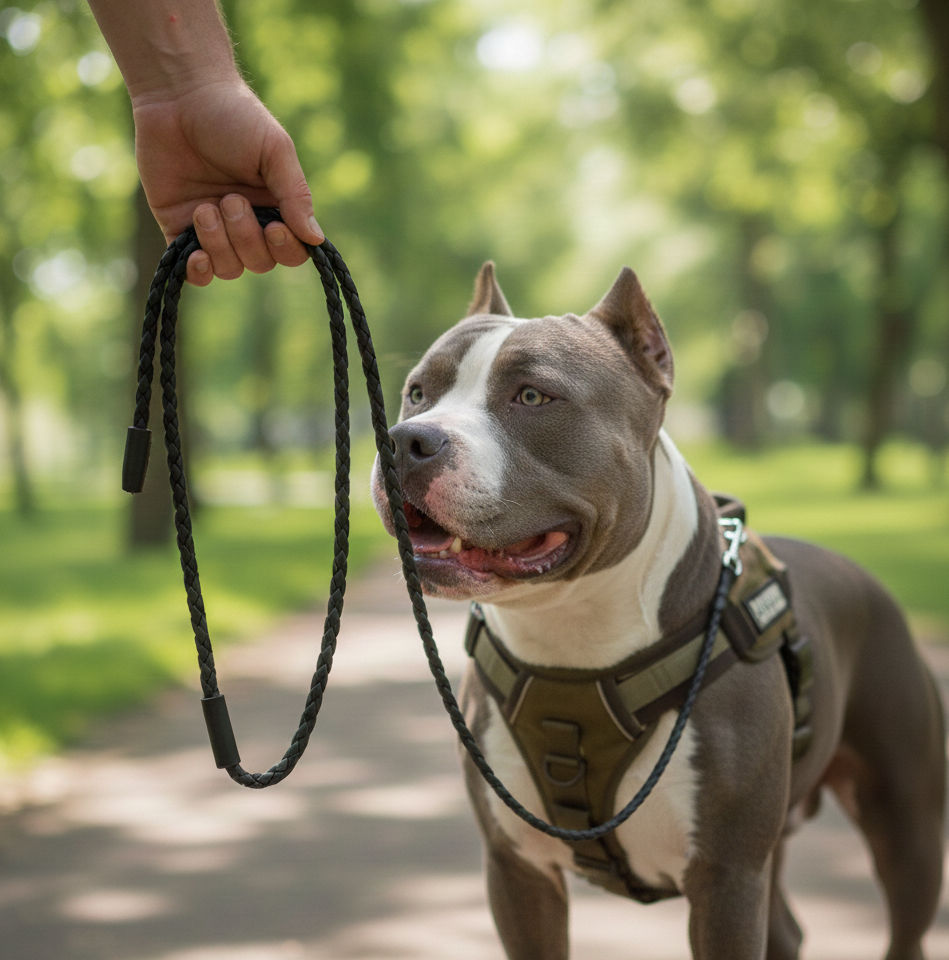
Pressure isn’t a correction — it’s information. You apply light, consistent pressure to guide your dog, and you release the moment they follow your guidance. The release becomes the “yes.”
Your Body Language Matters
Your dog follows your posture and presence more than your words. Rounded shoulders, rushing, or tension often create the same in your dog. Calm, steady energy communicates leadership.
Pacing Sets the Tone
A calm pace builds a calm mind. When you move deliberately, your dog begins to mirror that rhythm.
Presence Over Control
Calm leadership doesn’t come from force — it comes from grounded, intentional communication. Your presence creates the boundaries your dog can rely on.
Practical Leash Exercises to Try This Week
Soft-Pressure Follow
Apply light backward pressure.
The moment your dog moves toward you, release.
Quiet praise only.
This builds responsiveness without creating tension.
The Two-Step Reset
1. When your dog pulls ahead, take two calm steps backward.
2. Guide them back with soft pressure.
3. Release when they return to your side.
This offers clarity without escalation.
Walk–Stop–Breathe Reset
Walk 15–20 feet, pause, settle your breathing, and wait for your dog to soften. Continue only when both of you are calm.
“If you rush the walk, your dog will rush the world.”
Directional Change Patterns
Change directions calmly — left, right, turnarounds. This teaches your dog to stay mentally present and connected.
Structured Warm-Up
Spend 2–3 minutes at the beginning of each walk moving slowly and intentionally. It prevents excitement from taking over.
Owner applying leash pressure Dog responding to leash pressure and returning to owner
Real Client Stories
Bella the Goldendoodle
Bella went from lunging out the door to walking calmly beside her owner once we introduced soft-pressure follow and intentional pacing. Her owner said, “It finally feels like she wants to walk with me.”
Cooper the German Shepherd
Cooper once reacted to every dog and every sound. With calm leadership, pacing, and directional changes, he learned to tune out the noise and tune into his handler instead.

Where to Practice Locally
Sarasota and Lakewood Ranch offer beautiful locations that support calm, structured walking:
Nathan Benderson Park — wide, open paths with minimal surprise distractions
Bayfront Park — gentle public exposure with scenic views
Waterside Place (Lakewood Ranch) — perfect for practicing neutrality in a lively environment
Final Thoughts
When you lead with clarity, presence, and calm communication, your dog learns to trust you fully. That’s what creates predictable, peaceful walks. If you’re ready to deepen your leash communication and experience walks that feel goodagain, we can help.
Explore Eternal K9’s private sessions, structured walk coaching, and trust-based board & train programs.


Comments